Lisbon

A city of hills, tiled façades, and river air.

  • Lisbon

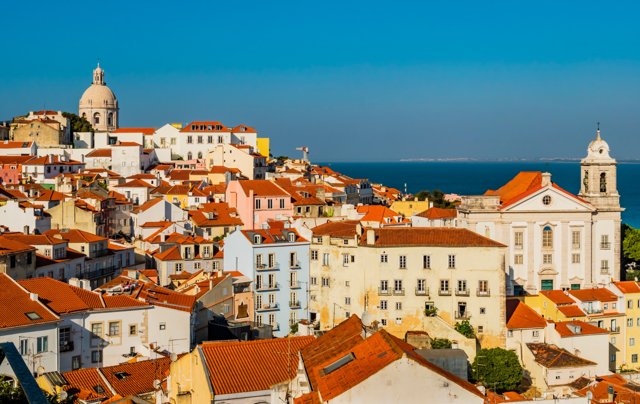
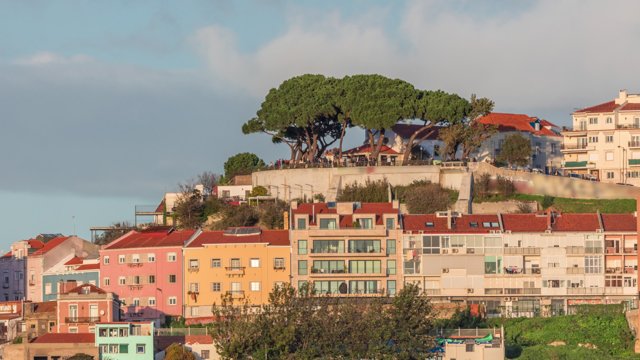
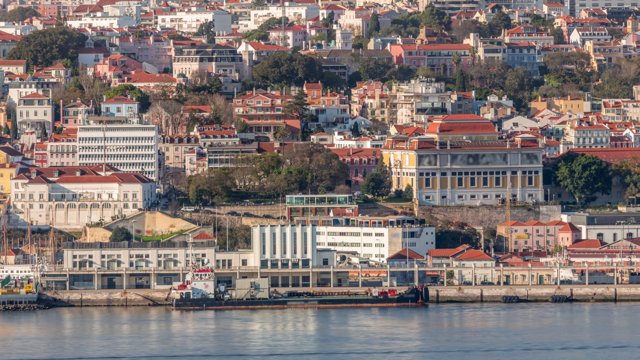
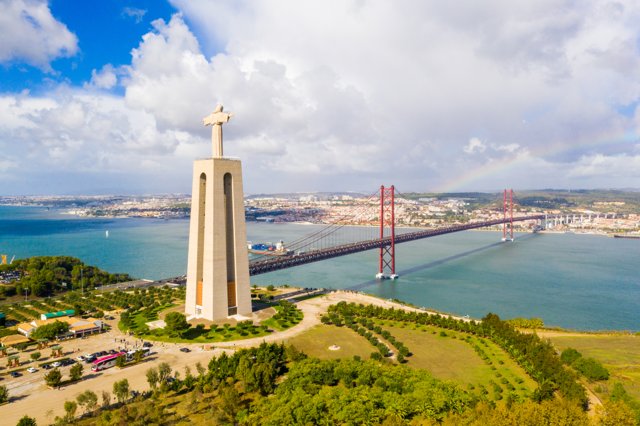
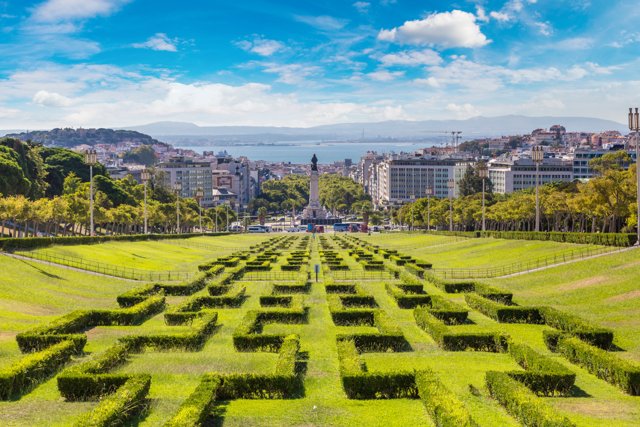
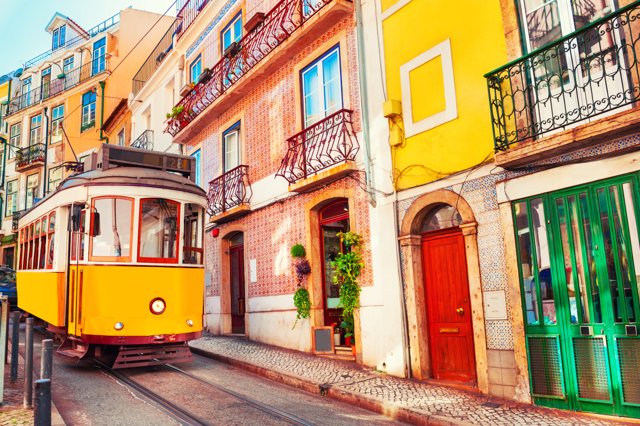
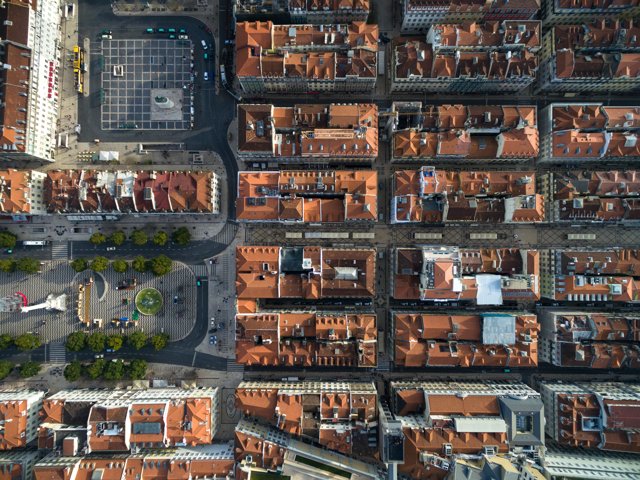
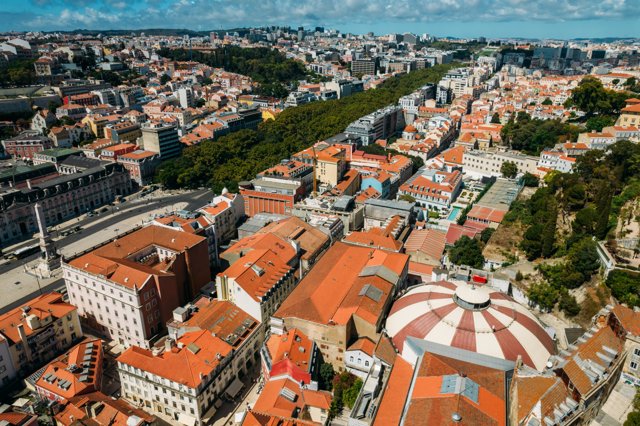
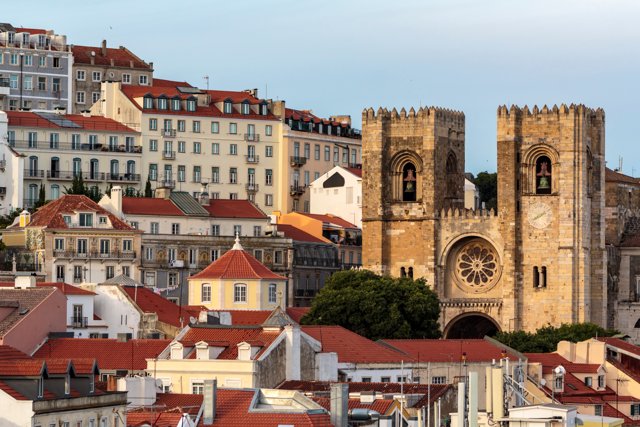
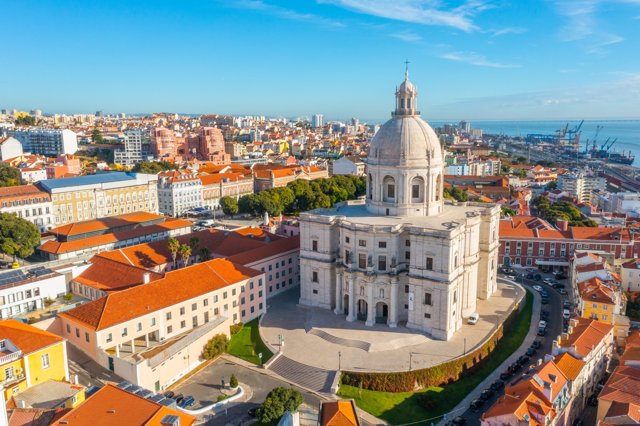
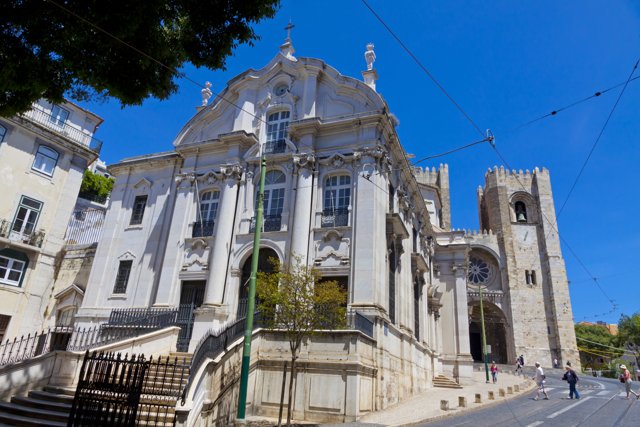
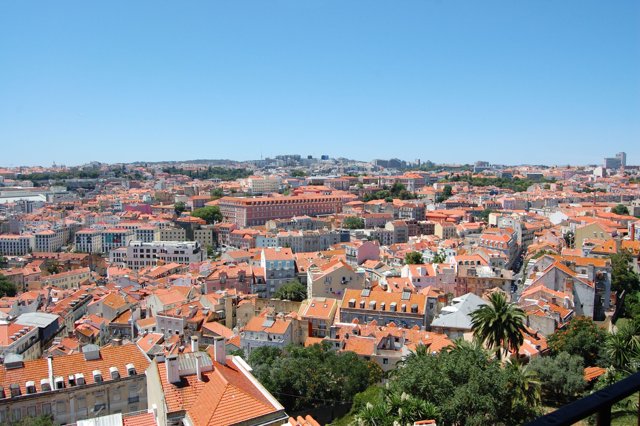
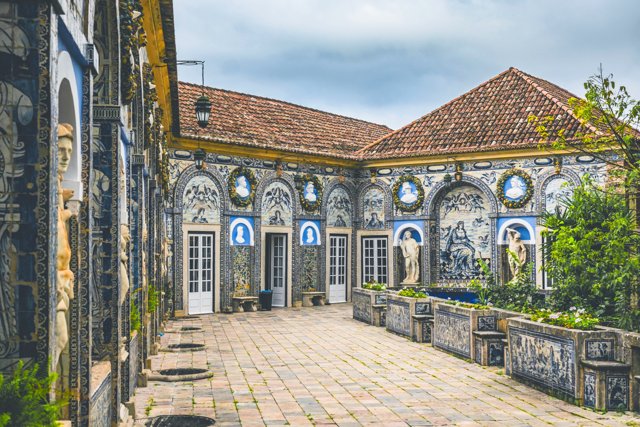
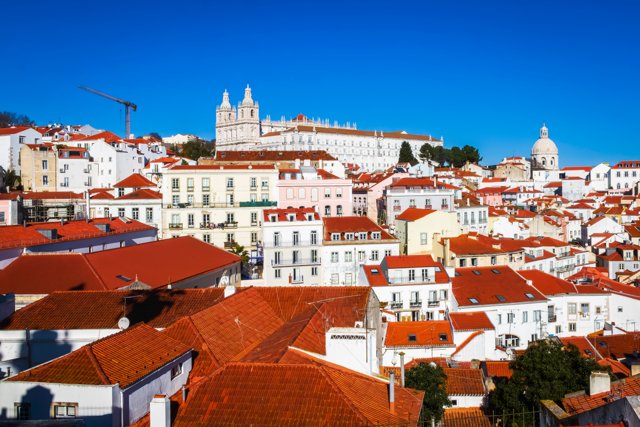
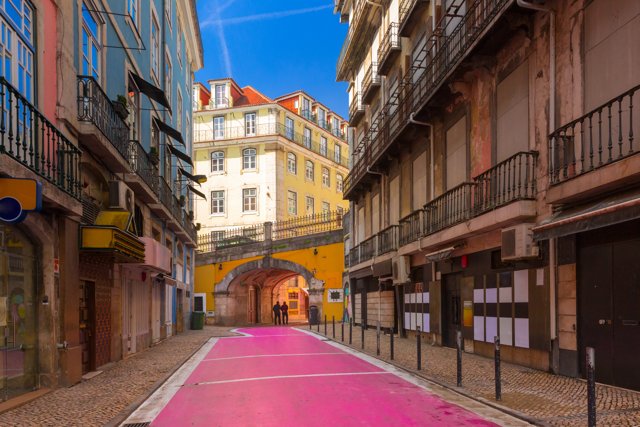
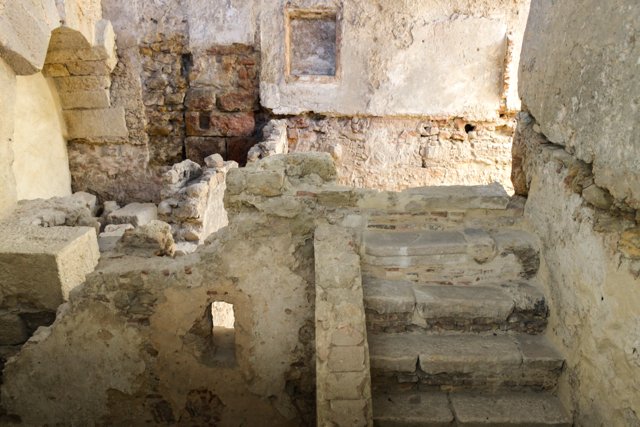
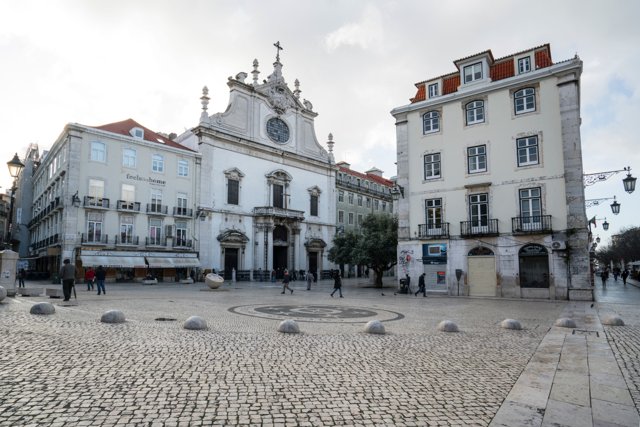
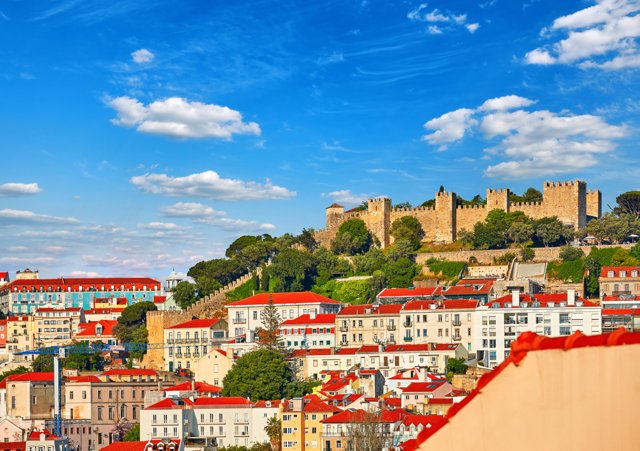
    Lisbon brings together centuries of history while continuing to adapt and reshape itself. Roman walls, Moorish alleys, maritime monuments, and contemporary districts stretch across steep hills that descend toward the Tagus River. Trams still follow historic routes through the city, while former docks and warehouses now house cafés, galleries, and new neighbourhood life.

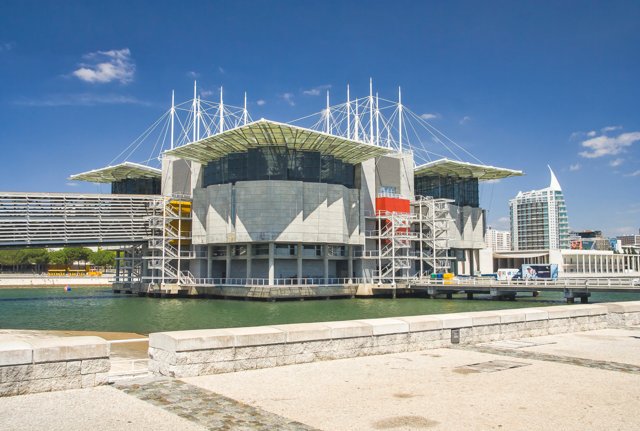
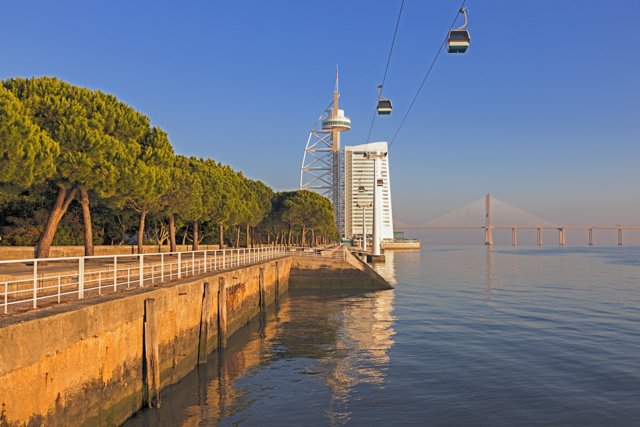
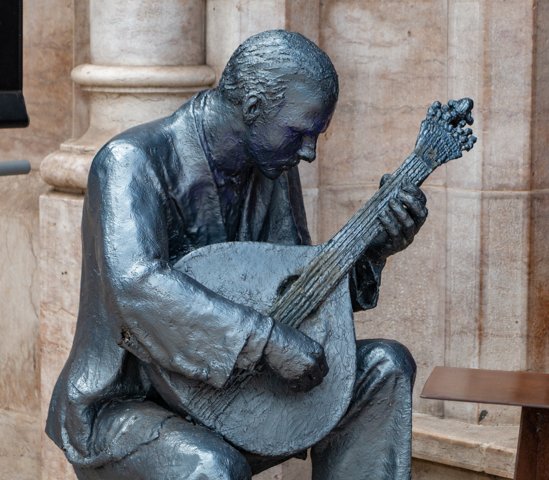
    In Alfama, Lisbon’s oldest quarter, narrow lanes and Fado houses echo with the city’s earliest rhythms, while the riverside paths of Parque das Nações reflect a more recent chapter in its evolution. From high viewpoints to quiet streets near the water, daily life follows the contours of the hills and the steady presence of the Tagus.
Unique experiences in Lisbon

Plan your trip

Entry Requirements & Travel Documents

Portugal is part of the Schengen zone. EU and EEA citizens can enter the country with a valid ID or passport. Many non-EU travellers can stay up to 90 days within a 180-day period without a visa, but passport validity rules apply and vary by nationality.

Starting in late 2026, visitors from many visa-exempt countries, such as the US, Canada, and Brazil, will need to obtain ETIAS authorisation online before arrival for short stays. Until ETIAS becomes operational, passport-only entry remains in place. Be sure to always check requirements before travelling.


Money, Currency & Paying in Lisbon

The local currency is the euro (€, EUR). Cards and contactless payments are widely accepted in hotels, restaurants, shops, and on public transport, and Lisbon is increasingly cash-light. Visa and Mastercard work almost everywhere, while American Express may not be accepted in smaller establishments.
That said, traditional cafés, local bakeries, neighbourhood markets, and some smaller restaurants may still prefer cash, especially for small amounts. Carrying a small amount of notes and coins can be helpful for quick purchases or tips.
ATMs (Multibanco) are easy to find across the city and usually offer better exchange rates than airport currency exchange desks. When paying by card, choose to be charged in euros rather than your home currency to avoid unfavourable conversion rates.

Tipping is not mandatory, but rounding up the bill or leaving 5–10% for good service is customary and appreciated.

Weather, Seasons & When to Visit

Lisbon has a Mediterranean climate with mild winters and warm, dry summers. Evenings can feel cooler near the river, so light layers are helpful year-round.

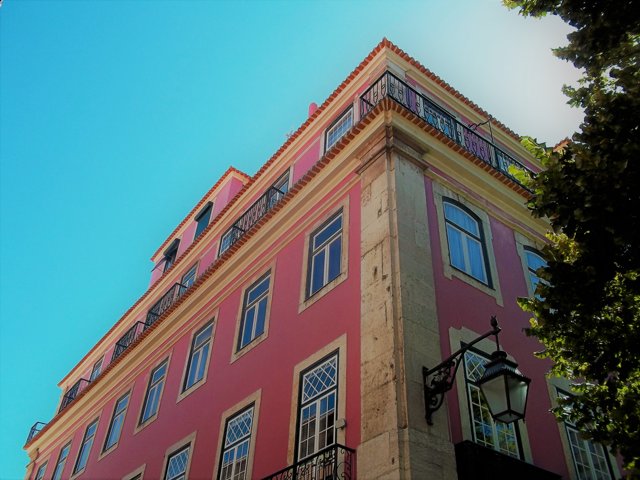
Summer (June through August) is hot and dry, with long evenings and busy streets. Daytime heat can feel intense, especially on the hills, but nights are ideal for outdoor dining and river walks. Autumn (September through November) remains warm, with fewer crowds and softer light across the city’s tiled façades.

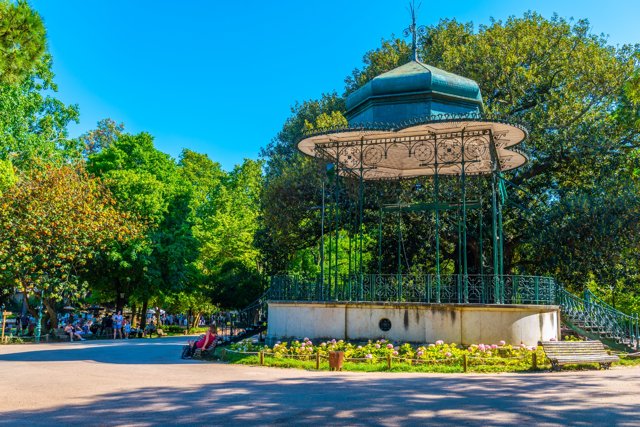
Winter (December through February) is cool and occasionally rainy, but temperatures rarely drop very low, and many days are still bright. Spring (March through May) is one of the most comfortable times to visit, with mild temperatures and flowering parks.

Health Insurance

EU visitors should carry a valid EHIC (European Health Insurance Card) or GHIC (Global Health Insurance Card) to access public healthcare services under the same conditions as local residents. However, this does not replace comprehensive travel insurance.

Non-EU travellers should arrange full medical coverage before arrival, as hospitals and private clinics may require payment upfront for treatment. Keep all receipts and documentation for reimbursement through your insurer.

Pharmacies (farmácias) are widely available and can provide advice for minor health concerns. For emergencies, dial 112 — Portugal’s national emergency number.

Connectivity, Roaming & Mobile Data

Free Wi-Fi is widely available in hotels, cafés, restaurants, and public spaces in Lisbon. 

For travellers with a mobile plan from an EU/EEA provider, roaming across Portugal and other EU countries is usually included at domestic rates under the EU “Roam Like at Home” rules, with fair-use limits on data but no extra roaming charges. 

If your mobile plan is from outside the EU/EEA, roaming coverage and costs can vary by provider. In that case, or for longer stays and/or substantial data use, a local SIM or eSIM can be a practical option for navigating, transport apps, and local bookings.

Airport & Main Arrival Hubs

Lisbon is served primarily by Humberto Delgado Airport (LIS), located about 7 km from the historic centre, making it one of Europe’s most centrally located capital airports. Most international and long-haul flights arrive here, with frequent connections across Europe, Africa, and the Americas.

Because of its proximity to the city, transfer times are relatively short. However, during peak travel periods, security checks and arrivals can feel busy. Planning a little extra time on departure is advisable.

The airport is compact and easy to navigate, with metro, bus, taxi, and ride-hailing services available directly outside the terminal.

Airport & Main Arrival Hubs

Lisbon is served primarily by Humberto Delgado Airport (LIS), located about 7 km from the historic centre, making it one of Europe’s most centrally located capital airports. Most international and long-haul flights arrive here, with frequent connections across Europe, Africa, and the Americas.

Because of its proximity to the city, transfer times are relatively short. However, during peak travel periods, security checks and arrivals can feel busy. Planning a little extra time on departure is advisable.

The airport is compact and easy to navigate, with metro, bus, taxi, and ride-hailing services available directly outside the terminal.

Main Train Stations

Lisbon is a major rail hub for Portugal, with frequent services to Porto, Coimbra, the Algarve, and other destinations. 

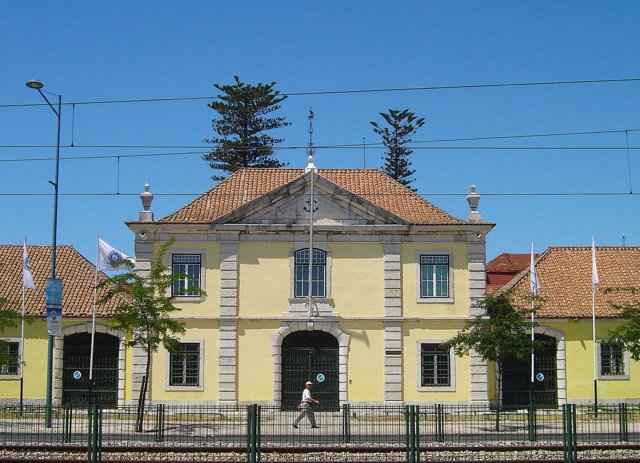
Lisbon’s oldest station, Santa Apolónia, sits on the edge of Alfama and is a practical arrival point for people staying in the historic centre. Oriente Station, located in Parque das Nações, is a modern transport hub serving long-distance, high-speed, and regional trains, and connects directly to the metro and bus network for onward travel across the city. 

Both stations link easily to Lisbon’s wider public transport system.

From the Airport / Station to the City Centre

Lisbon Airport has a metro station with a direct line to the city centre. The Aeroporto–Saldanha (Red Line) takes you to downtown Lisbon in about 20 minutes, with connections to other metro lines at Alameda, Saldanha, and São Sebastião.

Public buses run frequently from outside the terminal, and licensed taxis and ride-hailing services operate from designated ranks at arrivals.

Taxis & Ride-Hailing Services

Licensed taxis in Lisbon are metered, regulated, and easy to find throughout the city. They can be hailed on the street, picked up at designated taxi ranks, or booked by phone. Fares are generally reasonable compared to other European capitals.

Ride-hailing services such as Uber and Bolt operate citywide and often provide slightly lower prices than traditional taxis, with upfront pricing visible in the app. These services are particularly convenient for late-night travel or for reaching areas less well connected by public transport.

Traffic can build up during rush hour, especially on routes crossing the river or leading toward the airport, so allow extra time when travelling during peak periods.

Arrival Tips & Common Mistakes to Avoid

  • Use the Metro Red Line from the airport for a fast, direct connection to the city centre (about 20 minutes).
  • Avoid exchanging money at airport kiosks unless necessary. ATMs and contactless payments offer better value across the city.
  • Make sure to tap or validate your ticket before boarding on buses, trams, and the metro, as random inspections happen and fines may apply.
  • Trams (especially Tram 28) get very crowded. Ride early morning or late evening for a more enjoyable experience.
  • Keep personal belongings secure in busy areas like Baixa, Alfama, and on trams. Simple awareness is usually enough.

Public Transport & Zones

Lisbon’s public transport network is compact, well-connected, and easy to navigate. Metro, buses, trams, funiculars, urban trains, and river ferries are integrated under a shared ticketing system, allowing you to move across the city using a single card or payment method.

Although the network is operated by different companies, most services accept the Navegante occasional card. For planning routes and checking connections, the Carris app (official for buses and trams) and Citymapper are the most practical tools.

Four colour-coded metro lines link the airport, city centre, and main districts, with frequent services from early morning until late evening. Buses complement the network by reaching neighbourhoods not served by rail and are an easy, affordable way to explore areas beyond the historic core.

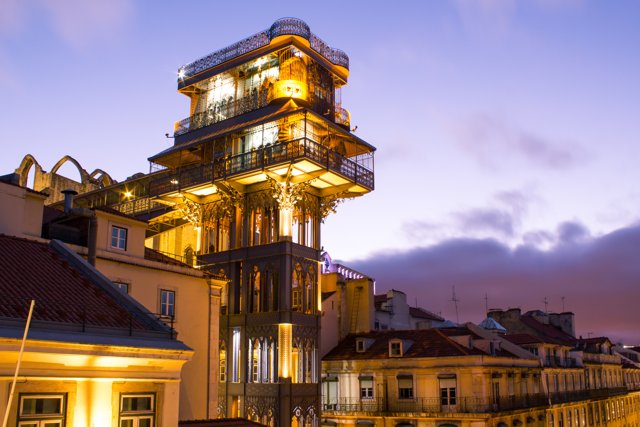
Lisbon’s trams and funiculars are part of everyday transport as well as the city’s visual identity. Vintage trams run on five main routes through steep, historic neighbourhoods such as Alfama and Graça. Route 28 is the most famous and also the busiest. Funiculars and public elevators link lower streets with hilltop areas, helping you move comfortably across the city’s slopes.

Tickets & Passes

Lisbon no longer relies on paper tickets. Instead, you use a rechargeable contactless card. The Navegante occasional card works on metro, buses, trams, funiculars, elevators, urban trains, and some ferries.

You can load:

  • Zapping (pay-as-you-go credit)
  • 24-hour passes for unlimited travel

Cards can be purchased and topped up at metro stations and ticket machines.

Contactless bank cards are now accepted on many metro, bus, and tram services, but the Navegante card is still the most flexible and widely supported option.

Walking & Cycling

Central Lisbon is compact, but the terrain can be demanding. Hills are steep, pavements uneven, and tiled sidewalks can become slippery after rain. Comfortable shoes are essential.

Cycling can be challenging due to cobblestones, tram tracks, and hills, but the city has been expanding bike lanes and infrastructure in recent years. GIRA, Lisbon’s bike-sharing system, offers an affordable way to rent bikes across central areas.

Nearby Destinations / Day Trips

Lisbon is an excellent base for exploring central Portugal, with several destinations reachable in under an hour by train.

Sintra, set in forested hills, is famous for its romantic palaces, including the colourful Palácio da Pena and the mysterious Quinta da Regaleira. Cascais offers Atlantic beaches, a relaxed seaside promenade, and a charming historic centre. Estoril, once a glamorous retreat for European royalty, combines coastal views with Belle Époque architecture.

For a medieval atmosphere, Óbidos enchants visitors with its whitewashed houses and ancient walls. Further south, Setúbal is known for fresh seafood and access to the Arrábida Natural Park, while Évora, a UNESCO-listed city in the Alentejo region, showcases Roman temples and quiet, sunlit squares.

Frequent trains and organised tours make these destinations easy to reach without a car.

Accessibility & Basic Safety Tips

Lisbon’s transport network offers varying levels of accessibility. Many metro stations feature step-free access, lifts, and ramps, while city buses are low-floor and equipped with priority seating and wheelchair spaces. Some historic trams and funiculars have limited accessibility due to their heritage design.

Official transport websites and apps make it easy to plan accessible routes in advance.

Lisbon is considered a safe city to explore. As in any capital, staying aware in busy areas and on public transport helps ensure a smooth and comfortable experience. 

Language, Culture & Local Etiquette

Portuguese is the official language in Lisbon. English is widely understood in hotels, restaurants, major shops, museums, and tourist areas, and speaking a few greetings in Portuguese (such as bom dia and obrigado/obrigada) will certainly be appreciated by locals. Lisboetas are generally cordial and polite, and tend to express warmth through small, everyday courtesies rather than overt friendliness.

In Lisbon, tipping is not obligatory, but rounding up or leaving 5 to 10 percent in restaurants is customary.

Neighbourhoods

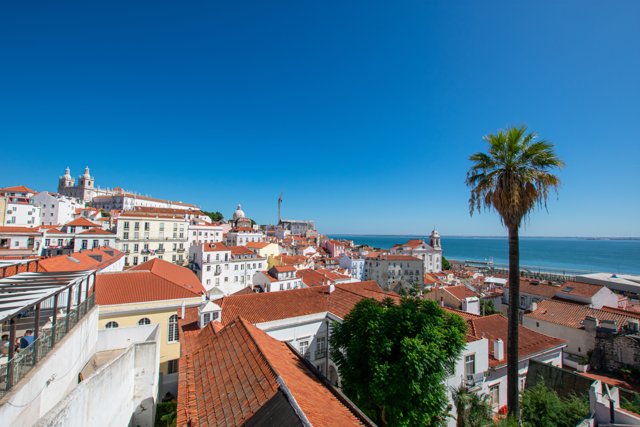
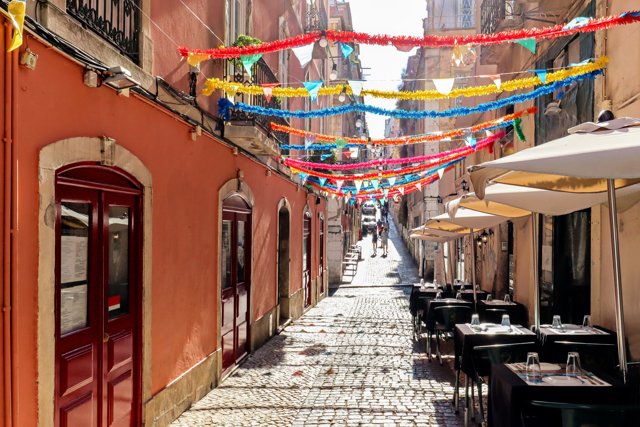
Baixa and Chiado form the commercial and cultural heart of the city, with cafés, shops, historic squares, and theatres. Alfama, Lisbon’s oldest neighbourhood, spreads across the hillside between São Jorge Castle and the Tagus River. Its narrow streets, small squares, and viewpoints such as Portas do Sol and Santa Luzia reflect the city’s medieval roots, while its Fado houses remain central to Lisbon’s musical identity.

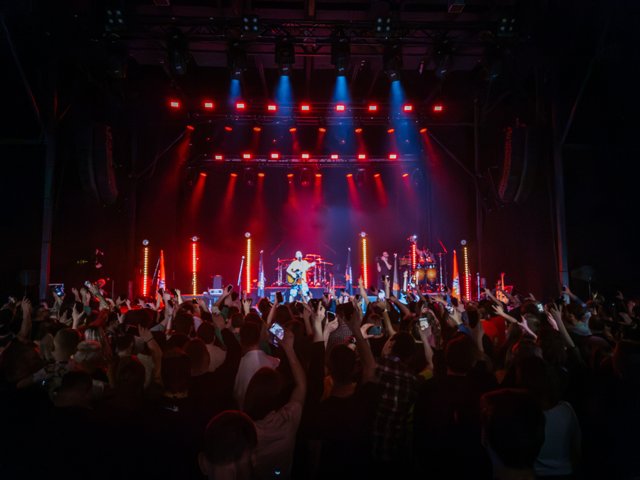
Bairro Alto comes alive after dark with late dining and nightlife, while nearby Cais do Sodré reflects Lisbon’s riverside energy through seafood restaurants and evening bars. To the west, Belém connects the city to its maritime past through riverside monuments and its famous custard tarts. Contemporary culture pulses in places like Marvila, where former industrial spaces now house breweries, galleries, and studios.

Gastronomy

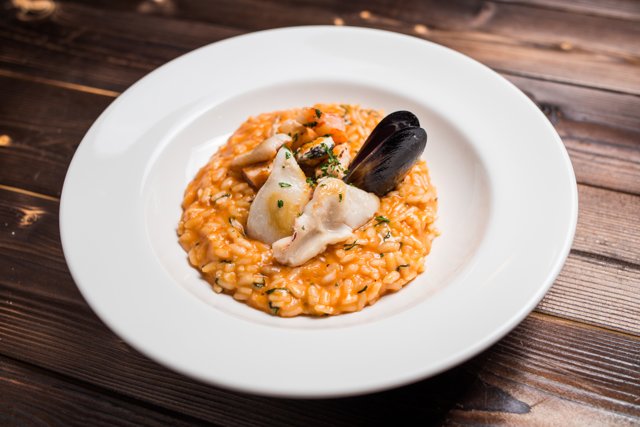
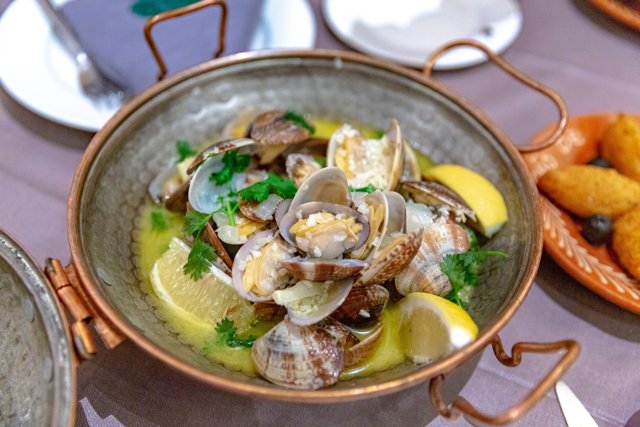
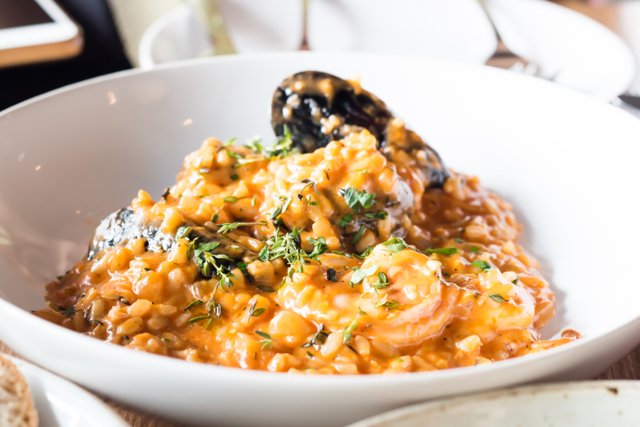
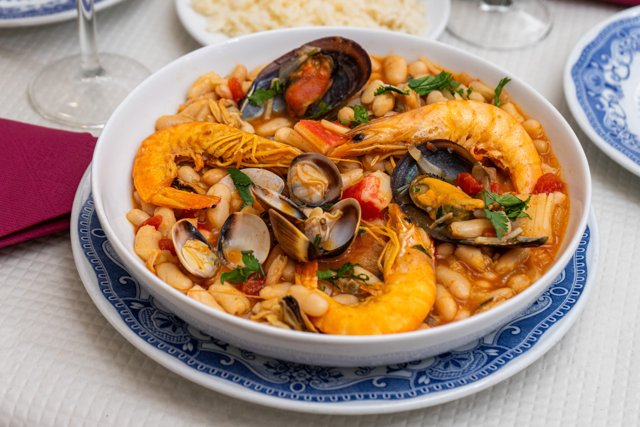
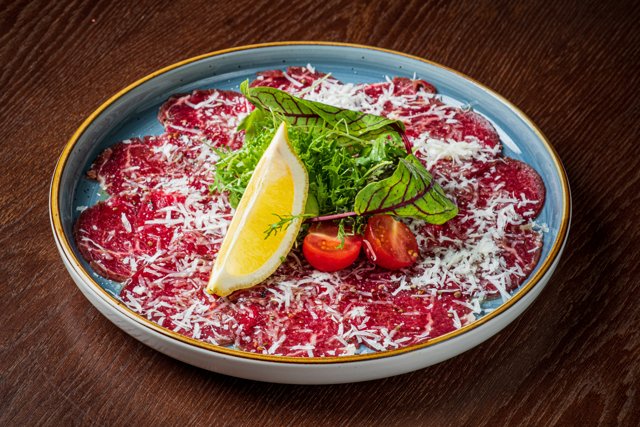
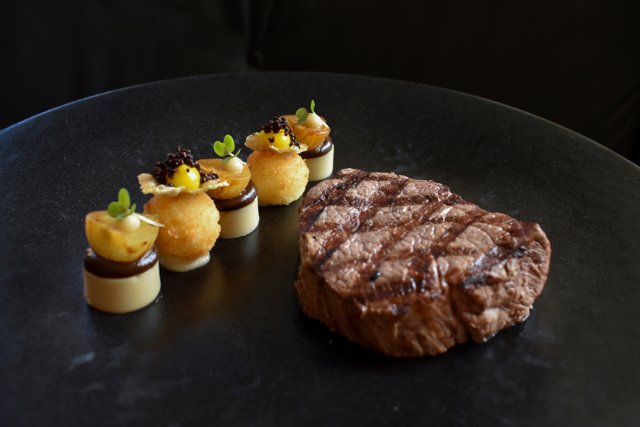
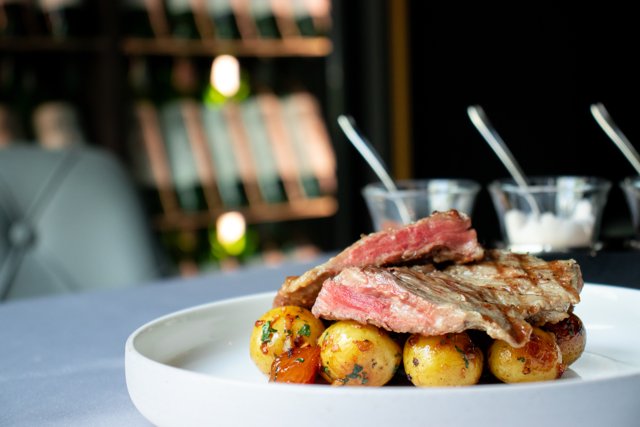
Lisbon’s cuisine blends tradition with innovation. Salted cod appears in many forms, especially Bacalhau à Brás with shredded cod, onions, eggs, and potatoes. Fresh seafood, such as clams with garlic and olive oil or rich seafood rice, recalls the city’s Atlantic connection. Grilled sardines are especially popular in June, while the bifana, a marinated pork sandwich, is a weekday favourite in cafés.

Custard tarts are omnipresent, but the original Pastéis de Belém near Jerónimos Monastery remains the most famous, still made from a closely held historic recipe.

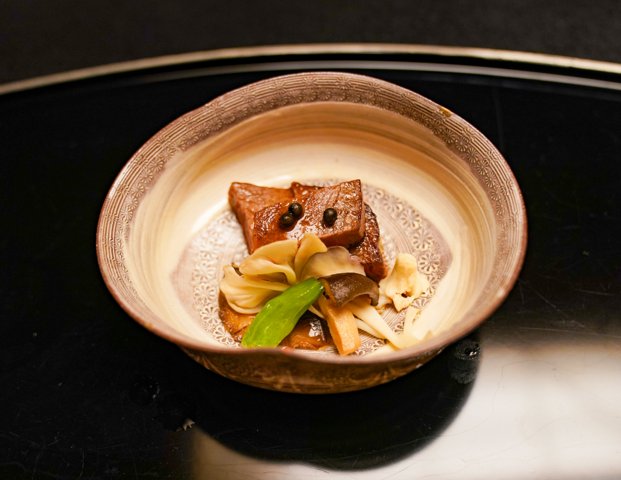
Traditional taverns or tascas serve seasonal menus and local wines, while newer taverns and modern restaurants reinterpret classic flavours.

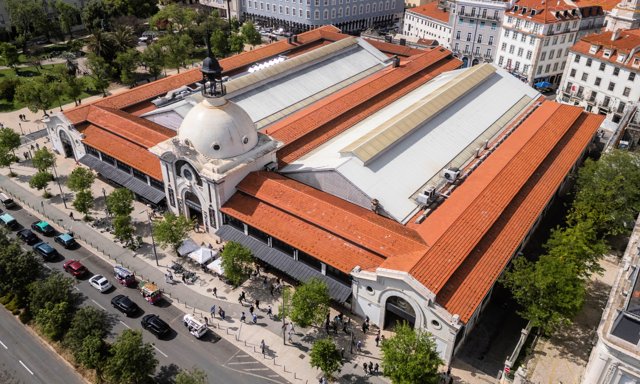
Time Out Market Lisboa gathers chefs and food stalls under one roof, offering a broad taste of Portuguese and international dishes.

City Rhythm

Days in Lisbon often begin slowly, with locals stopping at neighbourhood cafés for a quick espresso and pastry before work. The pace builds gradually, shaped by hills, viewpoints, and streets that invite wandering rather than rushing. Light shifts constantly across tiled façades and the Tagus River, giving even familiar routes a different atmosphere throughout the day.

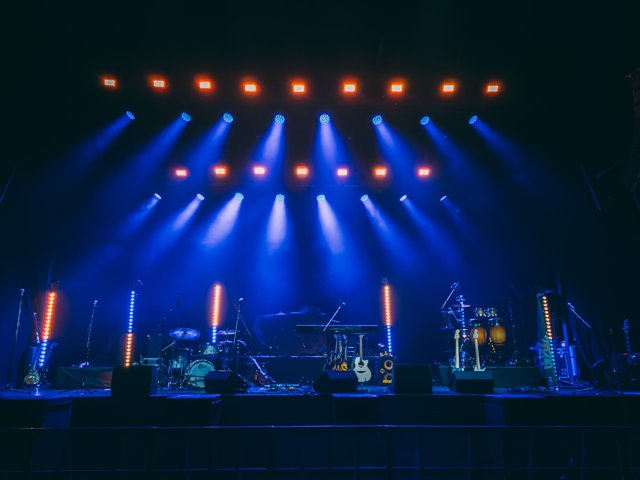
Afternoons stretch comfortably into early evenings, especially in warmer months, when terraces fill and conversations linger. Dinner typically starts later than in many northern European cities, and evenings may unfold over several stops — beginning with a relaxed meal, a riverside walk, perhaps live Fado in Alfama or drinks in Bairro Alto.

While Lisbon moves at a gentler rhythm than many capitals, it remains dynamic. Creative districts like Marvila and riverside areas such as Cais do Sodré bring renewed energy after dark, blending tradition with contemporary culture. The result is a city that feels reflective yet forward-looking, where daily life follows both the curves of the hills and the tides of the river.

Things to Do

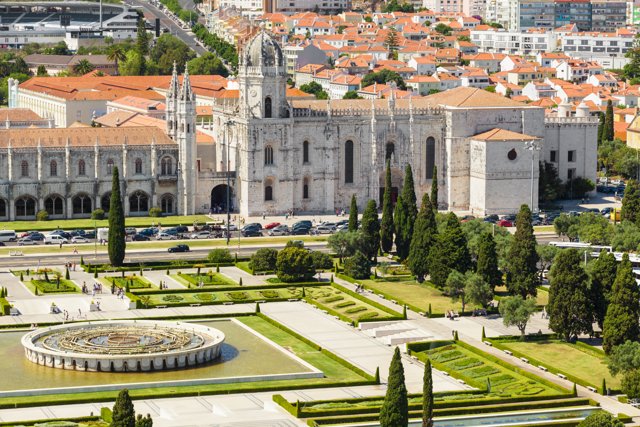
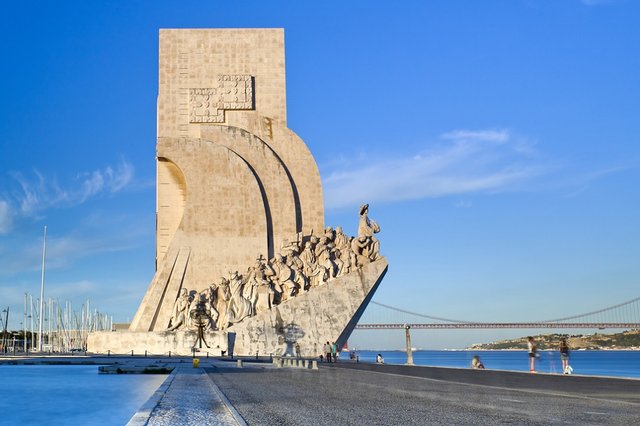
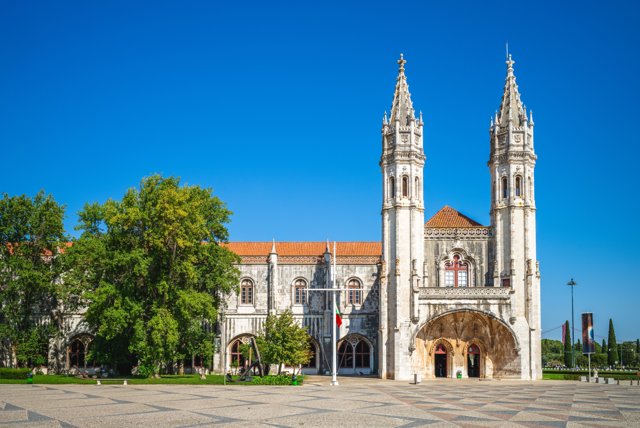
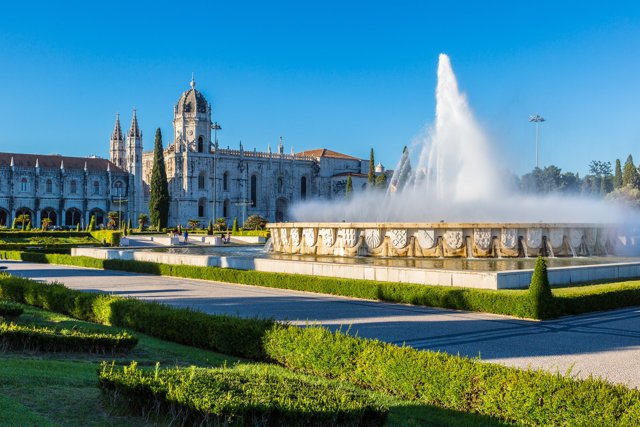
São Jorge Castle overlooks the rooftops of Alfama and offers wide views across the city, connecting visitors with Lisbon’s layered past. In Belém, the Jerónimos Monastery reflects Portugal’s maritime history, while nearby, the Tower of Belém guards the riverbank in stone.

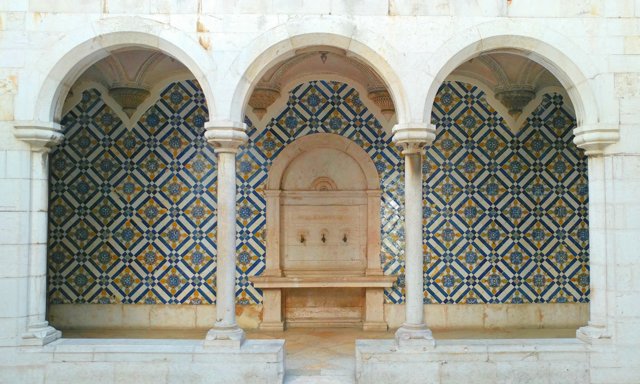
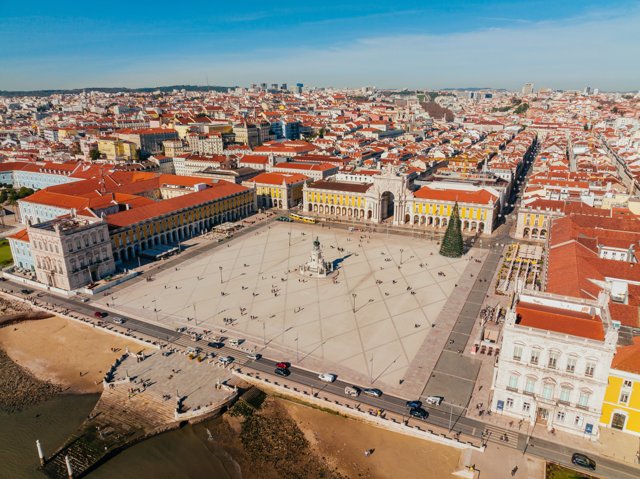
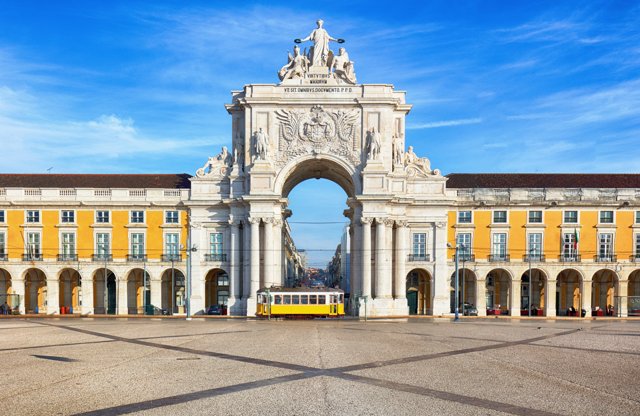
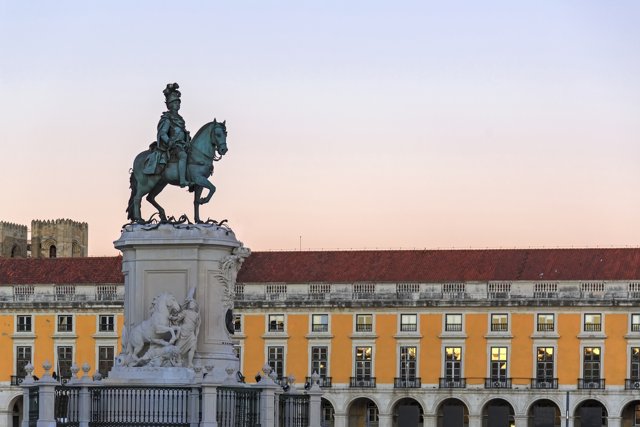
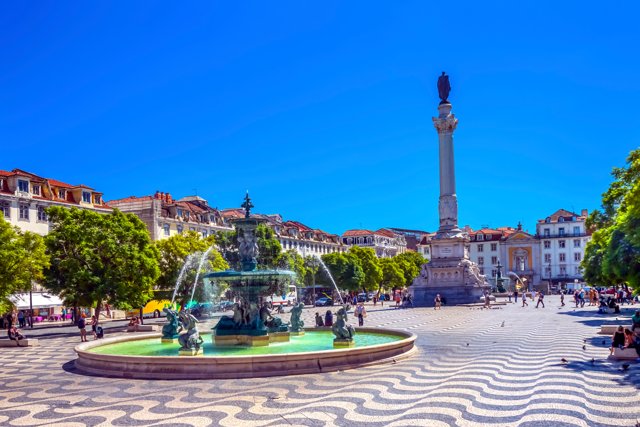
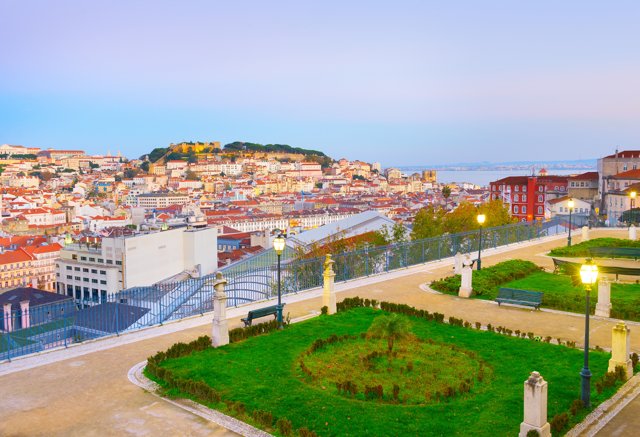
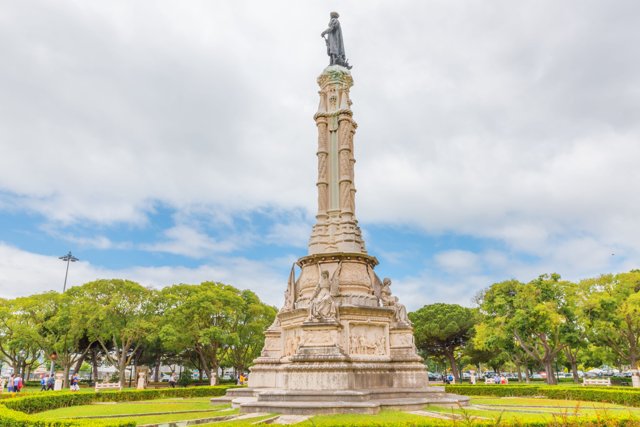
The Tile Museum reveals the country’s graphic heritage up close, and the Monument to King José I in Praça do Comércio marks the city’s historic centre with monumental scale. For panoramic views, seek out miradouros such as Miradouro de Santa Luzia or Miradouro da Senhora do Monte, where light over the Tagus shifts through the day. 

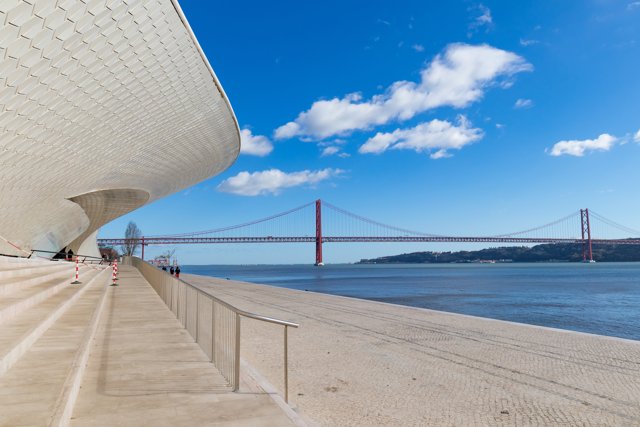
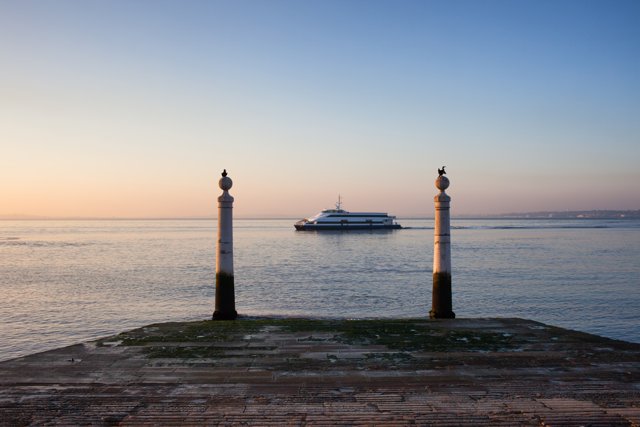
Historic trams move through winding alleys that explain the city’s topography, and riverside paths from the old docks to Parque das Nações show Lisbon’s contrast between old and contemporary.

Best hotels in Lisbon

Frequently asked questions

Is Lisbon worth visiting?

Lisbon offers a rare mix of history, everyday life, and a close relationship with the river and the Atlantic, making the city feel both grounded and open. From hilltop viewpoints to riverside walks, the city rewards visitors with slow exploration and simple moments just as much as major landmarks.

Is Lisbon safe?

Lisbon is generally considered a safe and welcoming city. However, as in any large city, being mindful in crowded and tourist-heavy areas is usually all that is needed to feel comfortable and at ease.

Is Lisbon expensive?

Lisbon remains relatively accessible compared to some other Western European capitals. While some areas and restaurants feel premium, the city is full of affordable cafés, neighbourhood markets, free viewpoints, and reasonably priced public transport.

When is the best time to visit Lisbon?

Spring (March to May) and early autumn (September and October) offer mild temperatures, sunny days, and fewer crowds, making them ideal for walking the city’s hills and spending time outdoors. 

How do I get around Lisbon?

Lisbon is best explored on foot, by metro, and on trams. The metro connects major districts quickly, while historic trams such as Route 28 offer a scenic way to move through the older neighbourhoods. A car is not recommended in the city centre due to narrow streets and limited parking.

Is Lisbon walkable?

Yes, especially in central areas like Baixa, Chiado, and Alfama. Distances are short, but the hills and cobblestone pavements can be demanding. Many visitors combine walking with trams, the metro, or short taxi rides to move between higher and lower areas.

How long should I stay in Lisbon?

Three to four days is ideal for seeing the main districts and landmarks. With five or more days, you can add day trips to places like Sintra or Cascais and experience the city at a slower rhythm.

Top destinations